
Game guides
Krillion Rare Answers: How to Find Them
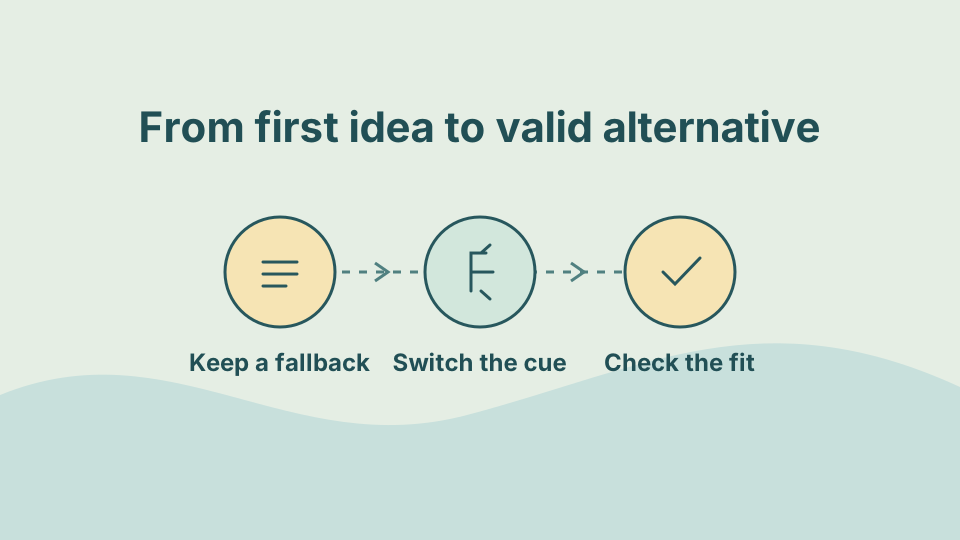
On DleZone, Krillion rare answers are accepted answers assigned to less familiar editorial tiers. They can earn more points, but the tiers do not measure how often players choose an answer. Keep a valid fallback while checking a second candidate against the prompt.
On this page
Find a safe fallback
Keep one answer you could submit immediately while you look for Krillion rare answers. Return to that fallback if the alternative fails a condition or time runs short. Check that it satisfies the whole prompt, including any place, period or credit.
Consider this invented practice prompt: name an orchestral string instrument normally played with a bow. A violin gives you a fallback. A harp also has strings, but its strings are plucked, so it fails the playing-method condition. This exercise has no assigned scores. A live prompt still requires a match to its own edited accepted list.
Source: Philharmonia’s violin guide and bowing demonstrations
Source: Philharmonia’s teaching resource, Strings and percussion (PDF, harp section)
Change your recall cue
When the first obvious name comes to mind, a second attempt using the same mental cue often returns the same name. Switch the cue to a region, a decade, a subcategory or a person associated with the subject. For practice, choose a cue tied to a memory you can identify, then check the candidate against the original condition. This is a suggested recall routine, without a measured score or success-rate claim.
Use this fictional reference: Mira Vale directed Harbour in 1992 and Orchard in 1998, and acted in Crossing in 1996. Keep Harbour as the fallback, then switch your cue to the later directing credit and recall Orchard. All names and credits in this exercise are invented.
- Change one dimension
- Switch from the first directing credit to the later one. Orchard still meets both the director and decade conditions.
- Drop the near miss
- Crossing is in the right decade, but an acting credit does not meet a directing condition.
- Avoid assumed scores
- Check the round result for its assigned familiarity tier. The examples here only demonstrate the recall method.
Try the same exercise with films by switching from performers to credits, or with animals by switching from a zoo exhibit to a habitat. Alternatives are easier to find when the cue comes from a memory you can name. A cue like “something obscure” gives you little to retrieve. A cue like “the film I saw at a festival” supplies an event, a place and a smaller list of possibilities.
Check that the answer fits
Krillion rare answers still need to name the requested thing. Watch for pairs that are easy to blur: an author and a character, a city and a country, a performer and a role. Then check the relationship. For a directing prompt, an acting credit does not make a film eligible. If the prompt gives a year range, ask which date applies, such as the release date or the ceremony date.
In an invented practice prompt asking for a current national capital, a former capital is a weak pick even if it is famous and relevant to the country. Use the date qualifier as a filter before you spend time recalling spellings. The same check helps with terms such as former, current, original and credited. Each changes the group of examples you should consider.
A spelling suggestion can help when the game recognizes a close match. Check whether it identifies the same person, place or work you meant before confirming. Spelling suggestions can point to a different person, place or work with a similar name. If the game rejects your idea and time remains, try a different valid candidate instead of submitting the same spelling repeatedly.
Make the decision before the timer makes it
Use the short reading phase to identify the object and the strictest qualifier. During the answer window, settle on a fallback, look for one alternative and compare the two. This gives a second candidate a fair chance without spending the entire round on a name you cannot verify. Type earlier when the name is long or you are entering it on a phone. An idea only helps once you can submit it.
On paper, write a prompt and produce two valid examples using different cues. Repeat in Unlimited to see which part takes longest. If you find good answers but cannot type them in time, work on making the choice earlier. If your answers fail on qualifiers, practice naming the boundary before recalling any example.
Learn one useful cue from the reveal
Pick one round after a dive and look at the difference between your submission and a less familiar accepted example. Identify the cue that would have helped you remember it. A missed film might point you toward a director’s earlier work. A missed place might point you toward a region you rarely think about. Sort the examples in your review by the cues that would have helped you recall them. Reuse a cue the next time it fits a different prompt.
Separate recall from scoring when you review. DleZone assigns points through fixed editorial familiarity tiers for the question’s saved version. The points do not measure what other players chose that day. If an answer scores differently than expected, use the result to understand the tier for that prompt. For a rejected idea, compare the prompt’s conditions with the accepted examples. If a valid answer appears to be missing, use Report an issue after finishing all seven rounds.
Finish with a small takeaway you can use next time. Write down a cue such as “check the date of the event” or “try a smaller region after naming the continent.” Remembering why the example fit is more useful than remembering an isolated name. When a new round asks a different question, that cue will still help you search and verify under time pressure.
Choose your next dive
← Back to guidesKeep reading
What is Krillion? A guide to the game and how to play
What is Krillion on DleZone? An independent, unofficial open-answer trivia game: play seven timed rounds, name examples that fit each prompt and earn points from fixed editorial familiarity tiers.
How to Play Krillion Geography
Learn how to play Krillion Geography on DleZone: read the requested type of place, check its geographic relationship and submit one accepted example before the timer ends. This independent practice edition has seven rounds and can be played again after finishing.