
Game guides
How to Play Krillion Geography
Learn how to play Krillion Geography on DleZone: read the requested type of place, check its geographic relationship and submit one accepted example before the timer ends. This independent practice edition has seven rounds and can be played again after finishing.
On this page
How to play Krillion Geography in seven rounds
Choose Geography and select Begin descent. Each set has seven open-answer rounds. You get three seconds to read the prompt, followed by 25 seconds to answer. An accepted answer earns points and moves the dive down the depth scale. After the round, read the result and choose Next when you are ready. Once the set ends, you can review all seven questions and start another practice set.
Each prompt asks for a name you type, such as a country, capital, mountain or river. The exercises here illustrate how to read conditions. They carry no assigned game scores and do not establish which answers a live prompt will accept.
Identify the type of place
First identify the kind of place requested. A Pacific port may come to mind when you read “coastline,” but a prompt asking for a country needs a country name. Restate the request in a few words before trying again.
Ottawa satisfies the prompt. Toronto is in Canada and is the capital of Ontario, but the question asks for the country’s capital.
- Type of place
- The answer should be a city. Submitting the country repeats a condition instead of naming what the question asks for.
- Level of government
- For a capital prompt, check whether it says national, provincial or regional. The same city can be relevant to a different question.
- Time boundary
- Treat “current” as a requirement. Earlier seats of government belong to a question about a specific historical period.
Source: Legislative Assembly of Ontario, The Capital Cities (Ottawa and Toronto)
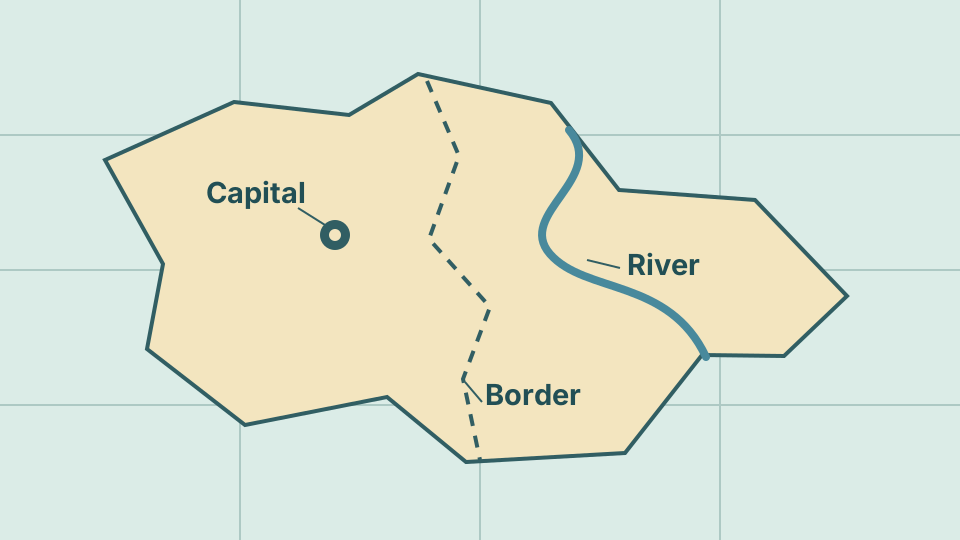
For a natural feature, read the noun first, then the relationship. If the prompt says that a river must form part of a border, a river that merely runs near a border will not meet that condition. A correct continent or region does not repair the wrong type of relationship.
Distinguish borders, locations and waterways
Two prompts can name the same region while asking for different relationships. “Borders” usually asks about direct contact under the stated definition. “Within” asks about containment. “Flows through” asks about a course, while “flows into” points to a destination. Read qualifiers such as land borders, present-day boundaries or a named reference list in the prompt. Those words determine what you should retrieve.
Spain fits the land-border condition. Morocco does not share a land border with Portugal, so regional proximity does not satisfy the condition.
- Think about contact
- Use the edge of the country as your mental starting point. Check whether another country actually touches it on land.
- Watch the scope
- Check whether the prompt includes overseas territories or specifies mainland borders. If the definition is unclear, report the wording after completing the set.
Landmarks create a similar choice between location and membership. A mountain can stand on an international boundary, and a river can cross several countries. Words like entirely within, partly within or on the border distinguish features that cross political boundaries. If you only remember that the feature is somewhere nearby, choose a clearer example before the answer window closes.
Leave time to type
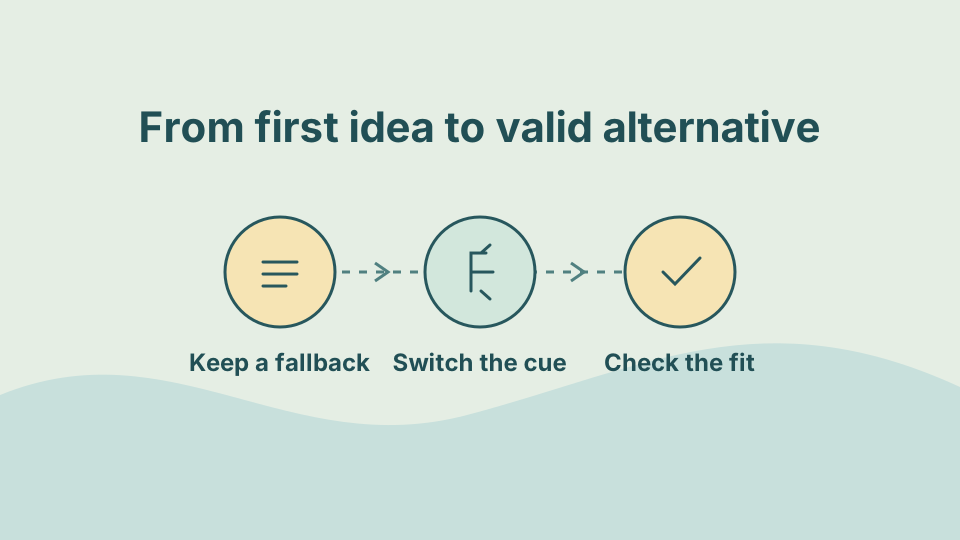
Keep a fallback ready during each round. As soon as you have a clearly valid answer, hold it in mind. If time allows, look for a second candidate by moving to a smaller region or thinking of a familiar fact from a different part of the map. Check the new candidate against the same conditions. Less familiar accepted examples can score higher, with points assigned through DleZone’s familiarity tiers.
On a phone, leave enough time to type. When the clock is low, choose a short name that fits the prompt. Type the place itself rather than a description of where it is. Geography can involve alternate spellings and similarly named places. If the game offers a spelling suggestion, check that it points to the intended place before confirming. If the answer fails and time remains, switch to another example that meets the condition.
Use the completed review
Expand one missed question in the completed review and compare its wording with the accepted answers. Was the problem the type of place, a geographic relationship or a missing entry? A valid real-world fact can still be absent from the edited list. Use Report an issue under that question when you think an answer is missing.
Away from the timer, sketch a place you know. Label one capital, one neighboring country and one natural feature. Describe a real relationship for each label. If you cannot describe it precisely, check it before the next dive. This makes Geography recall more flexible, because you can retrieve a place through its location, its neighbors or its features rather than through one memorized list.
If you know the places but struggle under time pressure, focus your next dive on reading instead of score. Identify the noun and one qualifier before typing each answer. If you are consistently choosing the correct type of place, spend one or two seconds testing a second idea. Change one habit at a time so the results tell you which adjustment helped.
For river practice, choose a river you know and make three separate claims about it. Name one country it flows through, a body of water it flows into and a city on its banks. Then switch the question from the river to the city and see how your answer changes. You are practicing the difference between naming a feature and identifying one of its relationships.
Choose your next dive
← Back to guidesKeep reading
What is Krillion? A guide to the game and how to play
What is Krillion on DleZone? An independent, unofficial open-answer trivia game: play seven timed rounds, name examples that fit each prompt and earn points from fixed editorial familiarity tiers.
Krillion Rare Answers: How to Find Them
On DleZone, Krillion rare answers are accepted answers assigned to less familiar editorial tiers. They can earn more points, but the tiers do not measure how often players choose an answer. Keep a valid fallback while checking a second candidate against the prompt.